Advice for young journalists
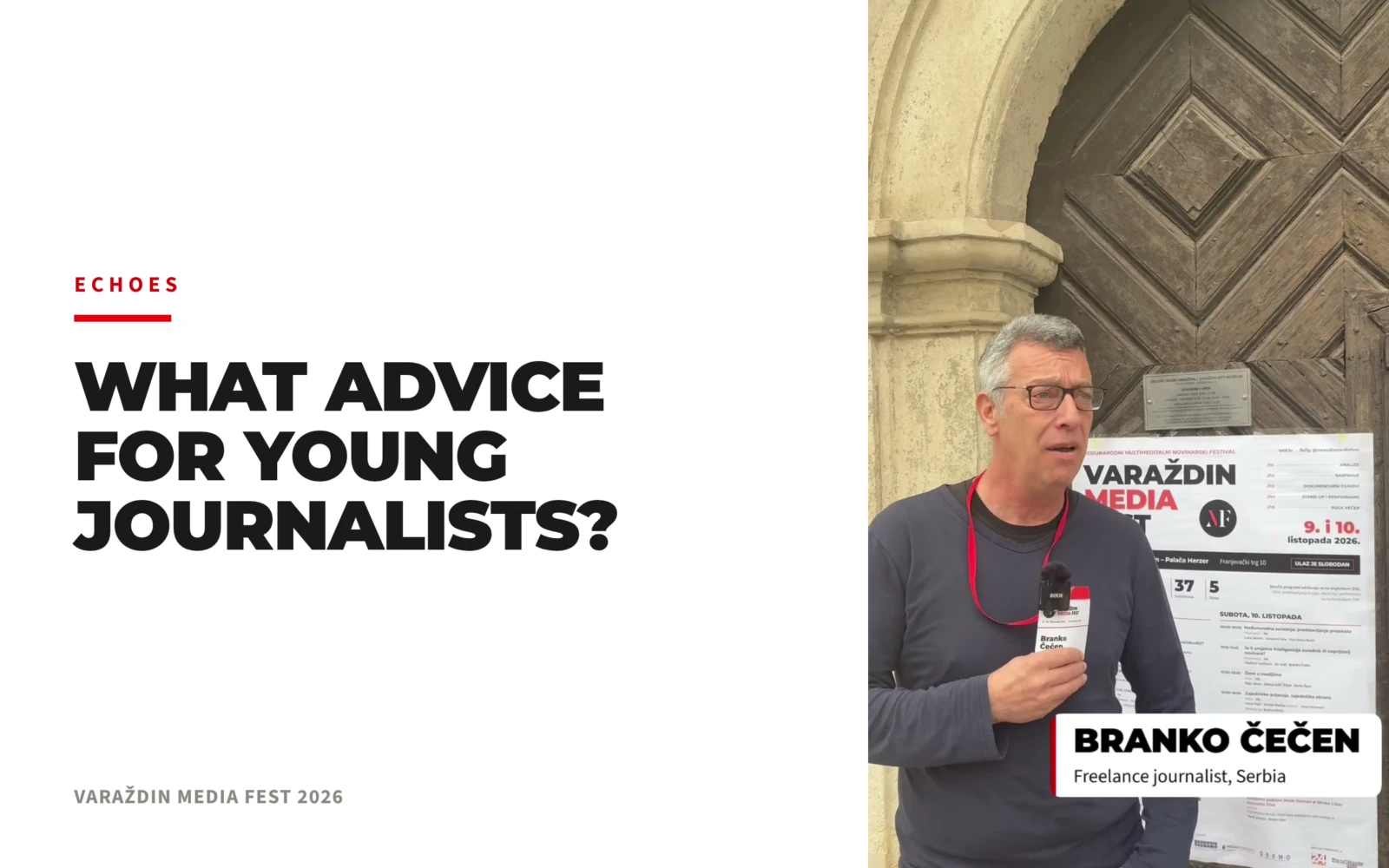
To close our series of conversations with festival participants, Branko Čečen, Maja Sever and Milica Pešić share their advice for young journalists: be persistent and never give up on your calling.
To close our series of conversations with festival participants, Branko Čečen, Maja Sever and Milica Pešić share their advice for young journalists: be persistent and never give up on your calling.
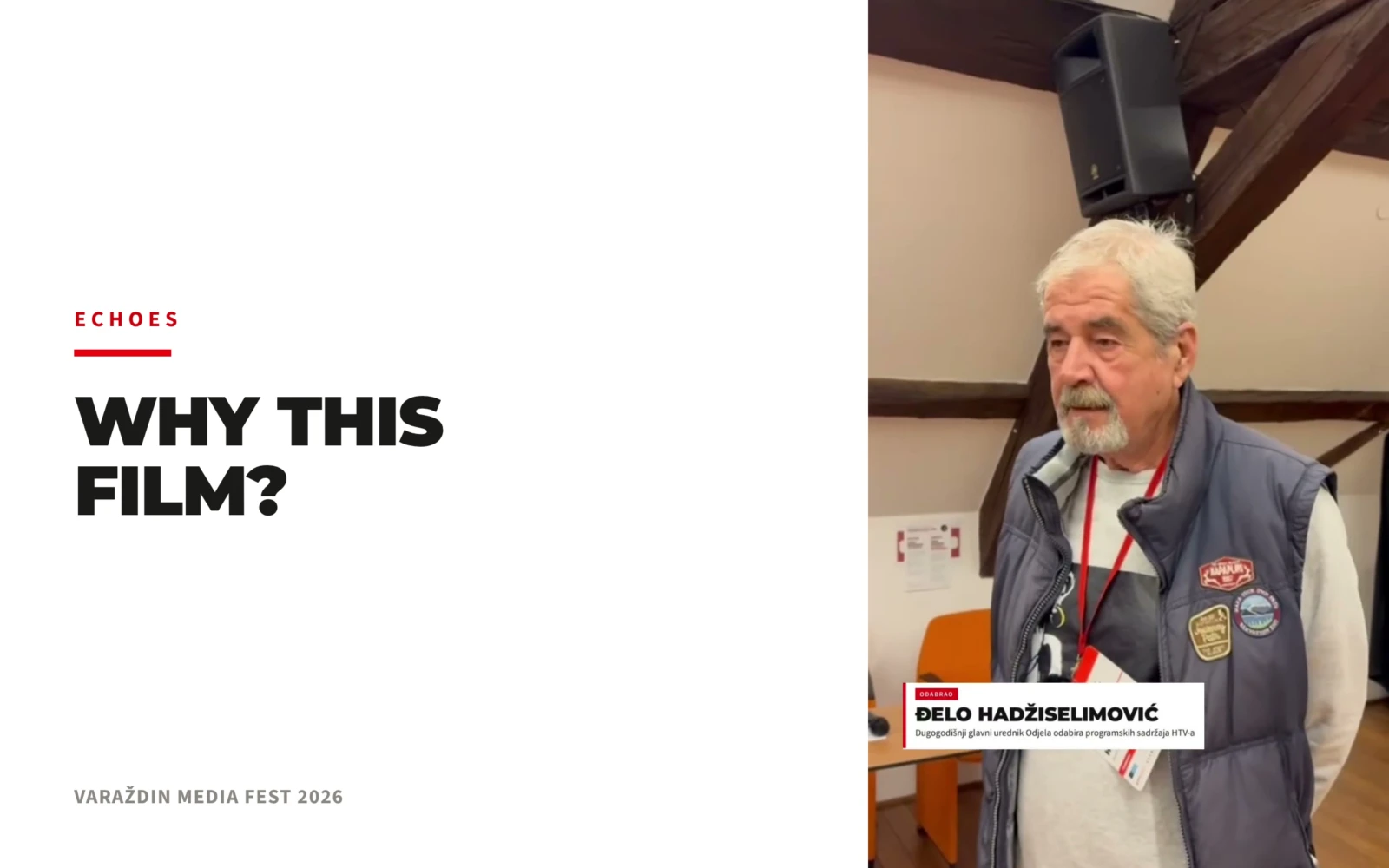
Đelo Hadžiselimović, long-time editor-in-chief of Croatian Radiotelevision’s programme acquisition department, explains why he chose the documentary “2000 Meters to Andriivka” for Varaždin Media Fest.
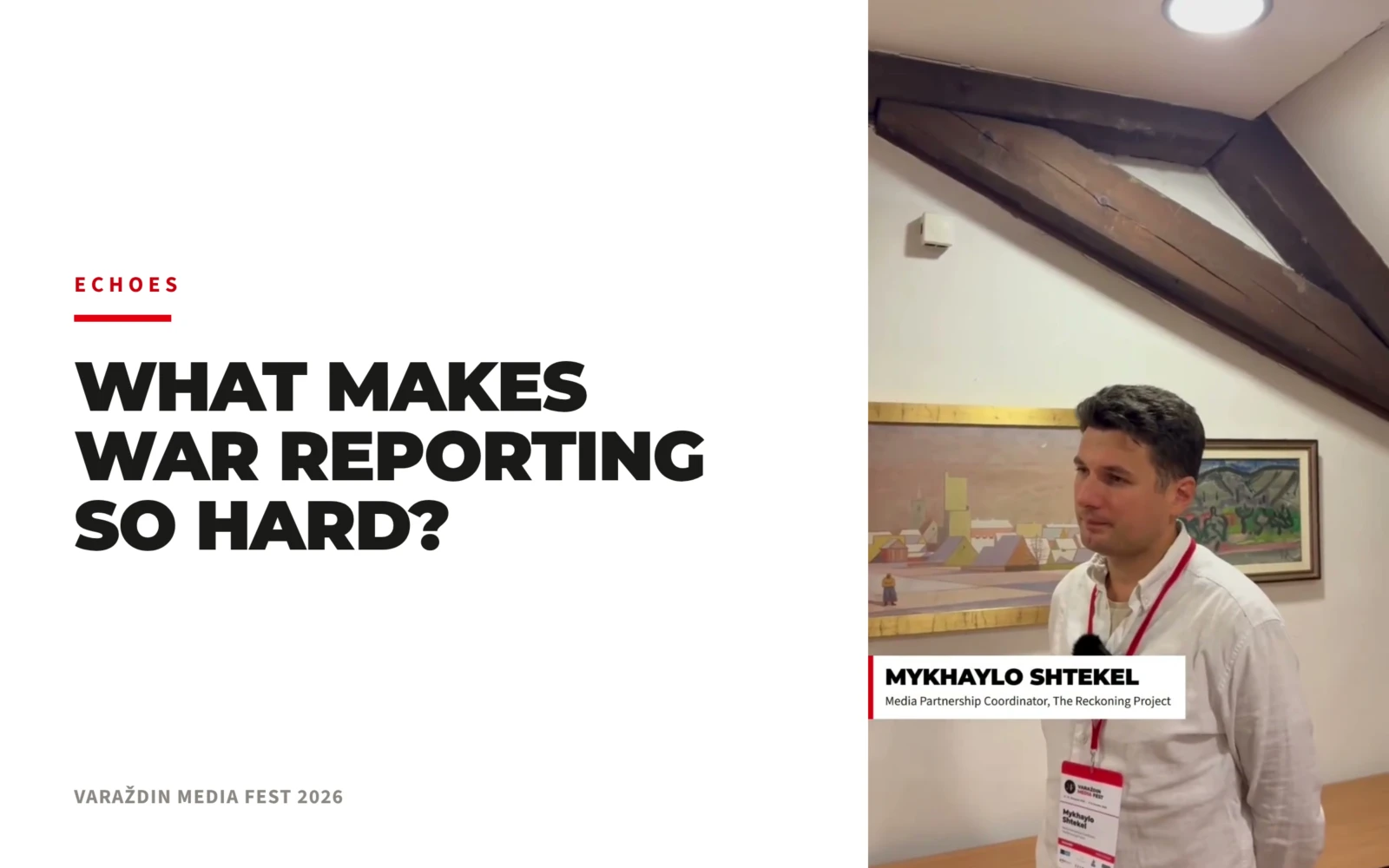
Mykhaylo Shtekel, Media Partnership Coordinator at The Reckoning Project, talks about his experiences and the obstacles war reporting faces.
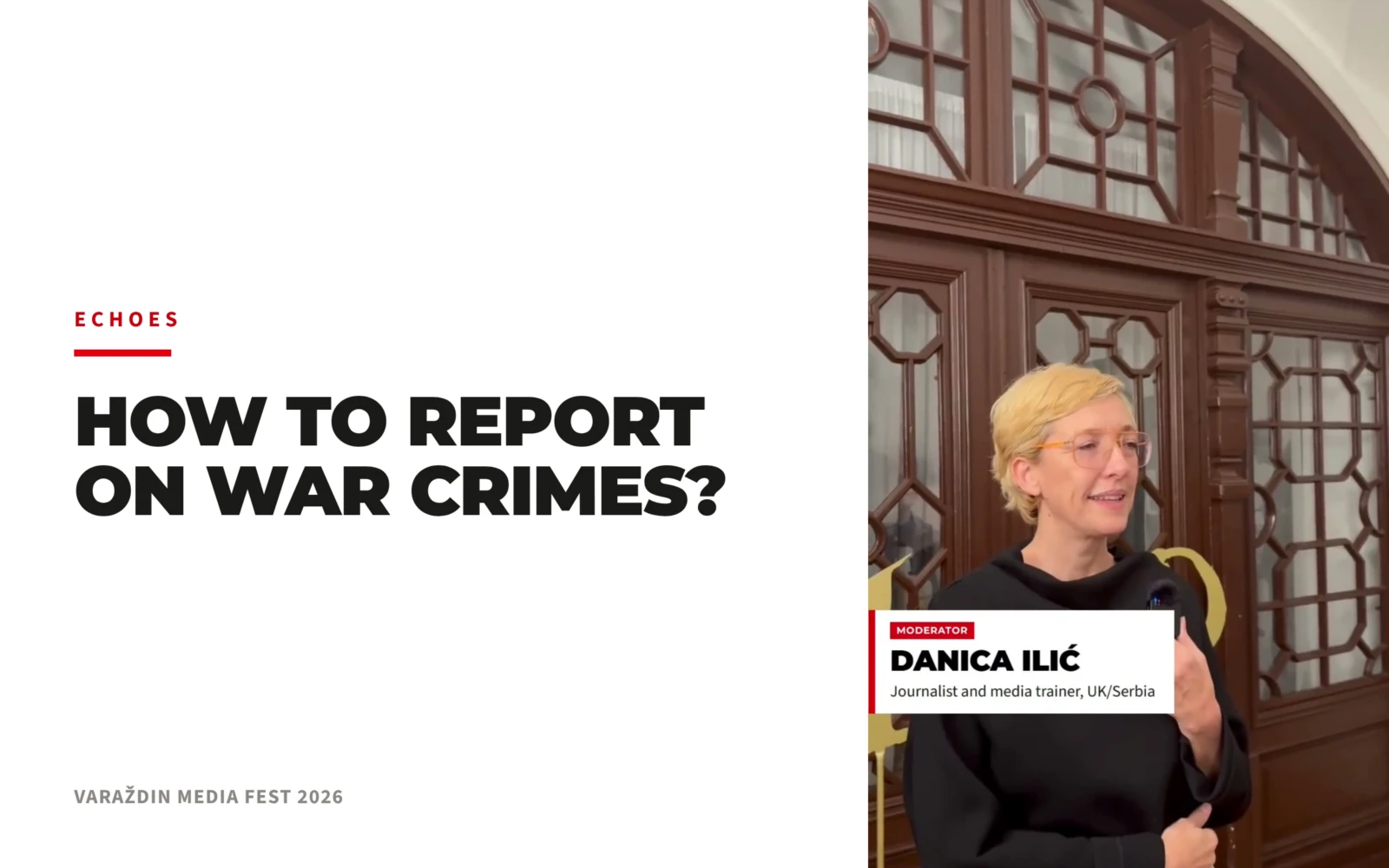
Journalist and media trainer Danica Ilić moderated two Varaždin Media Fest panels on reporting on war and war crimes. She shared with us how to approach such a subject.
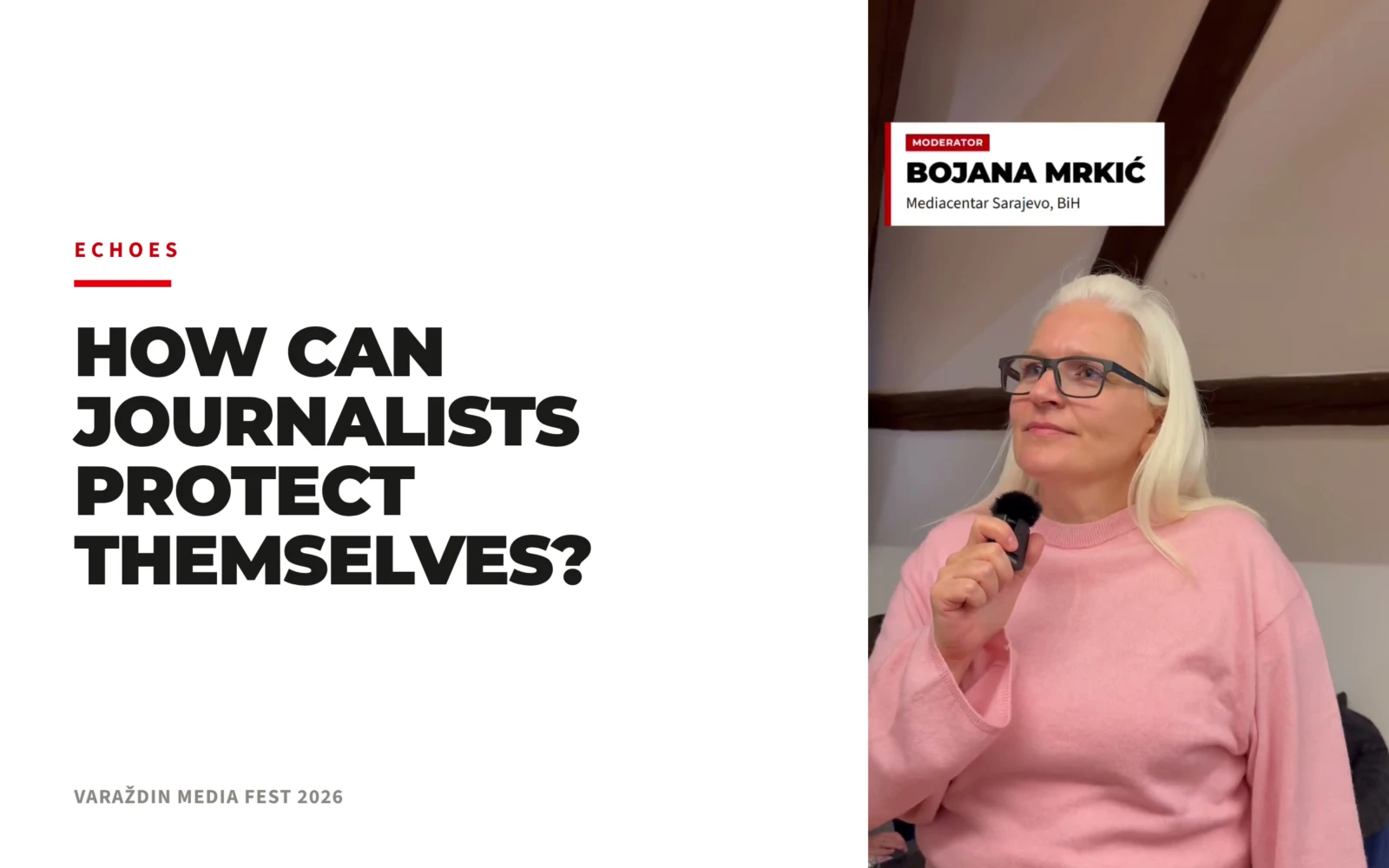
Bojana Mrkić of Mediacentar Sarajevo talks about the greatest threats facing journalists in the Balkans and how they can protect themselves.
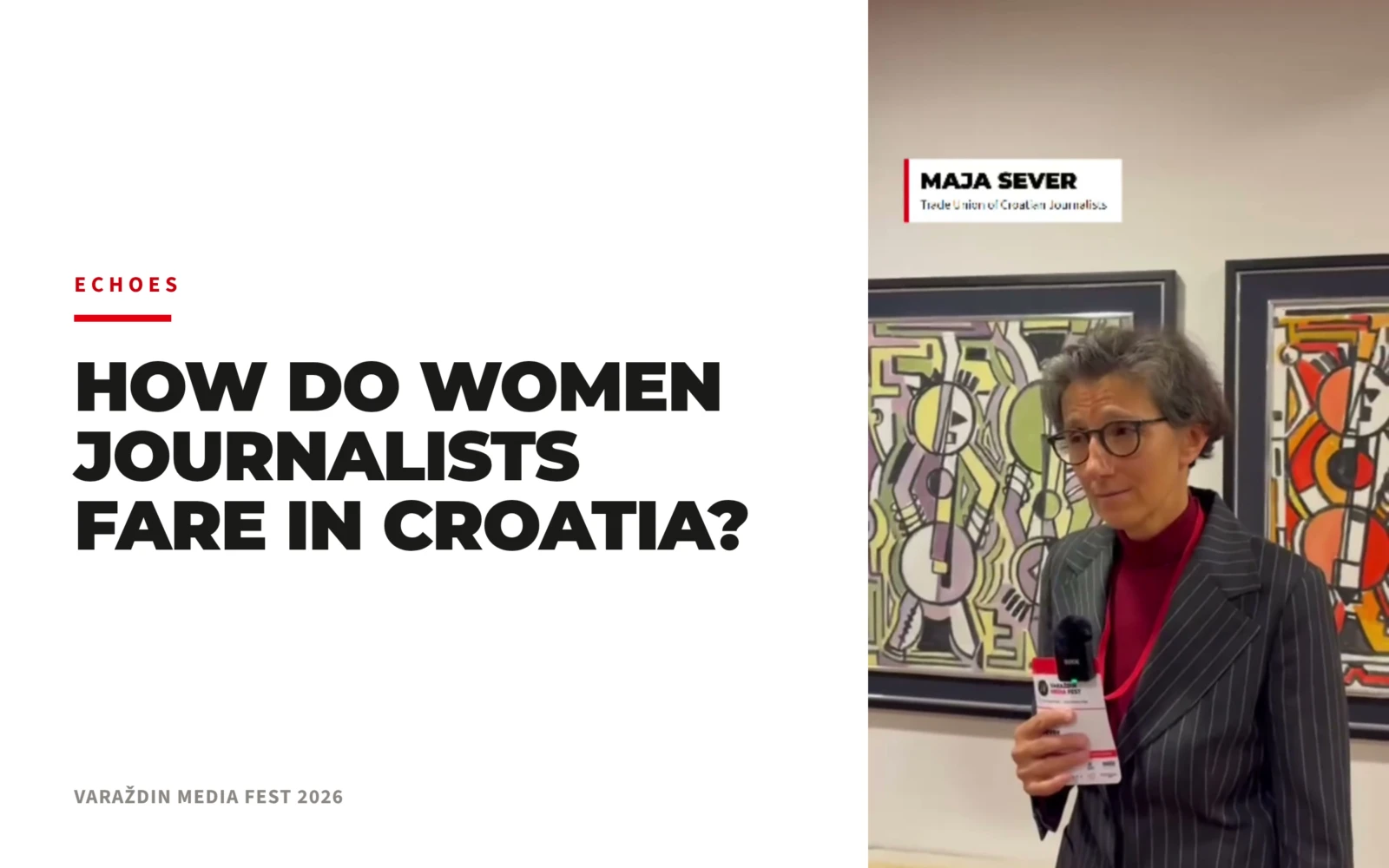
Maja Sever, president of the Trade Union of Croatian Journalists, talks about the position of women journalists in Croatia.
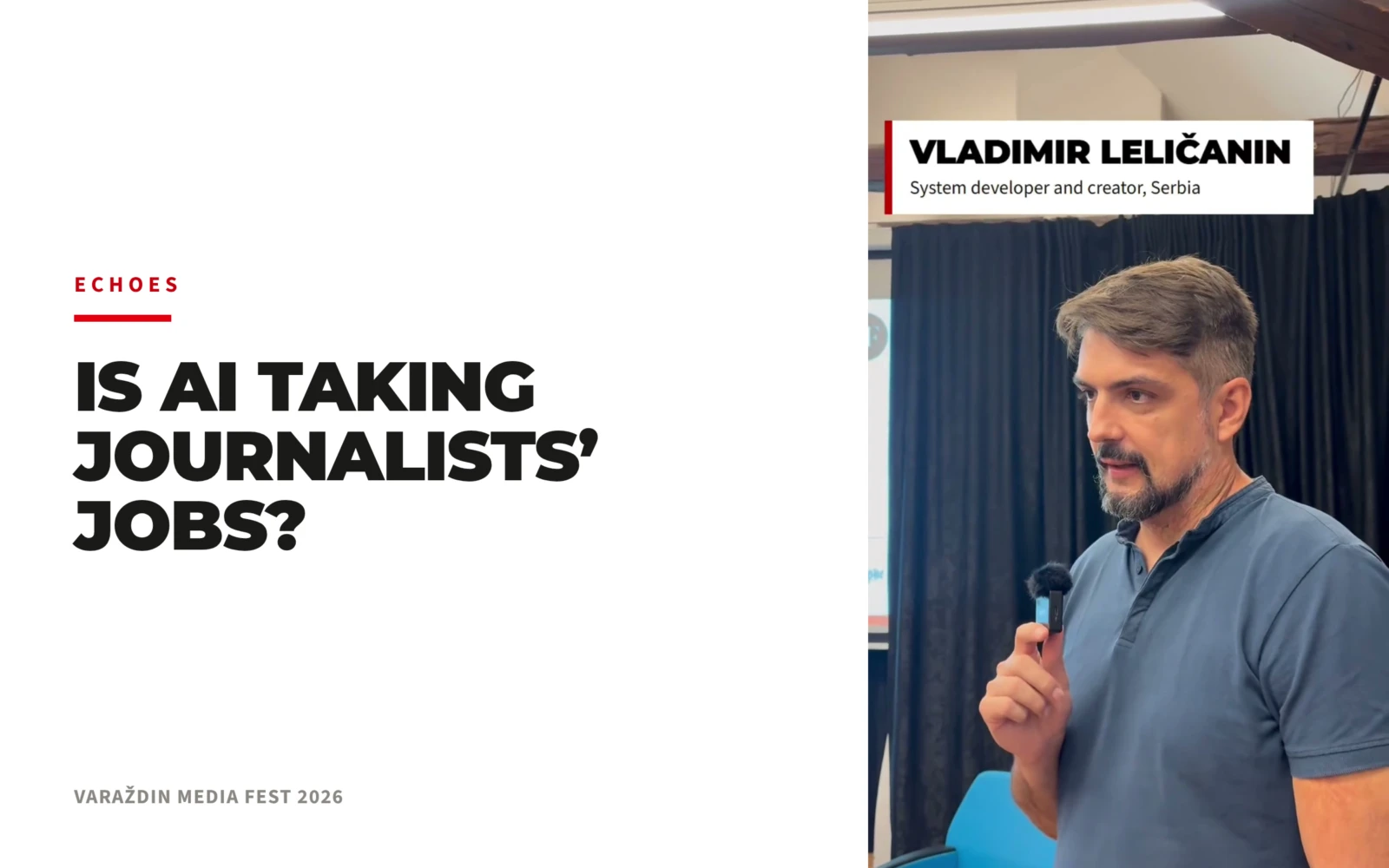
Vladimir Leličanin, creator of the Olympus artificial intelligence system, talks about whether AI is taking journalists’ jobs and how journalists can actually use it to organise their work more easily.
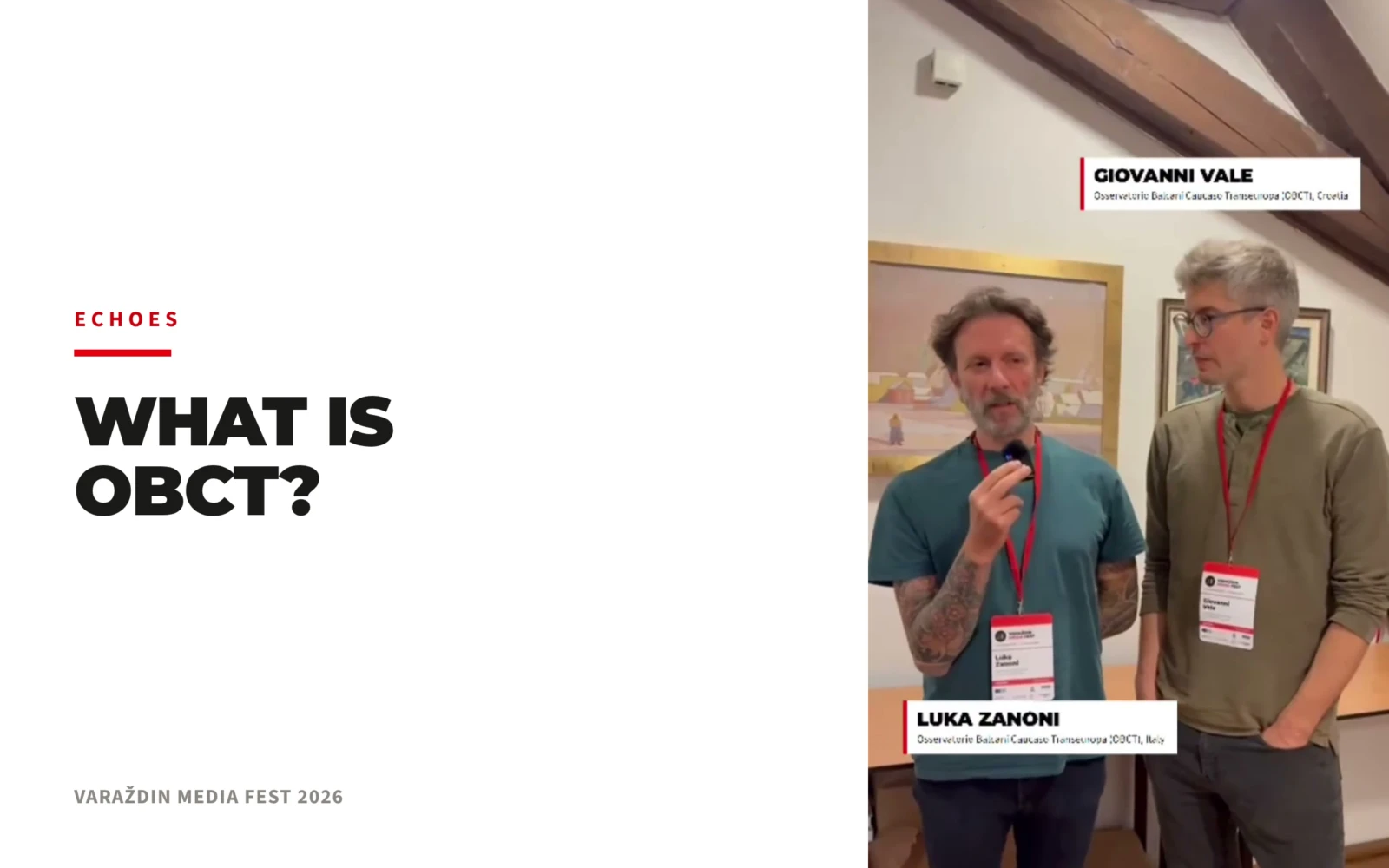
Luka Zanoni and Giovanni Vale of Osservatorio Balcani Caucaso Transeuropa (OBCT) explain what OBCT is and what it does.
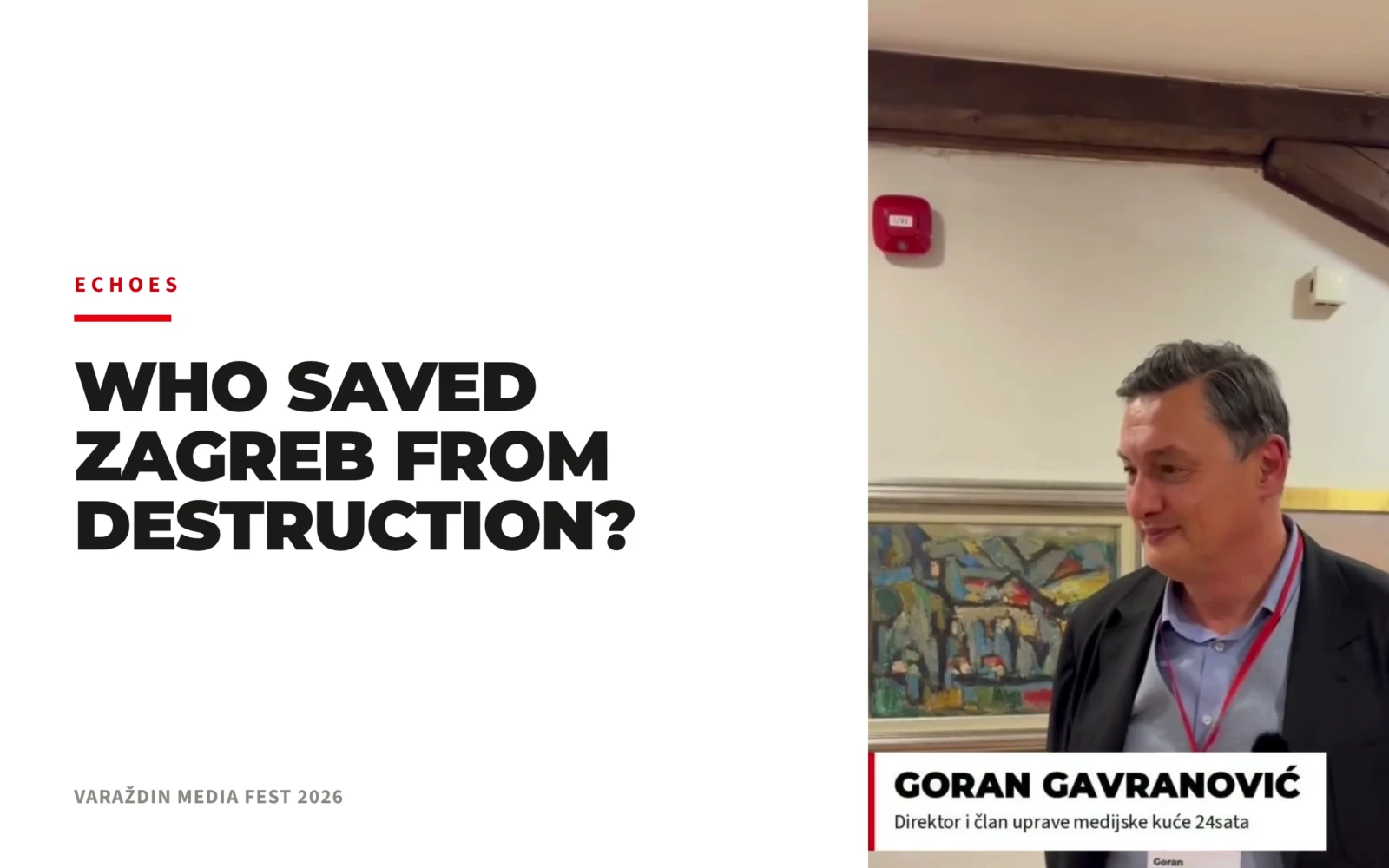
Goran Gavranović, director and member of the management board of the media company 24sata, shares anecdotes from his new book “Eight Days in May” („Osam dana u svibnju”), co-authored with Boris Rašeta, and talks about how they chose what would make it into the book.
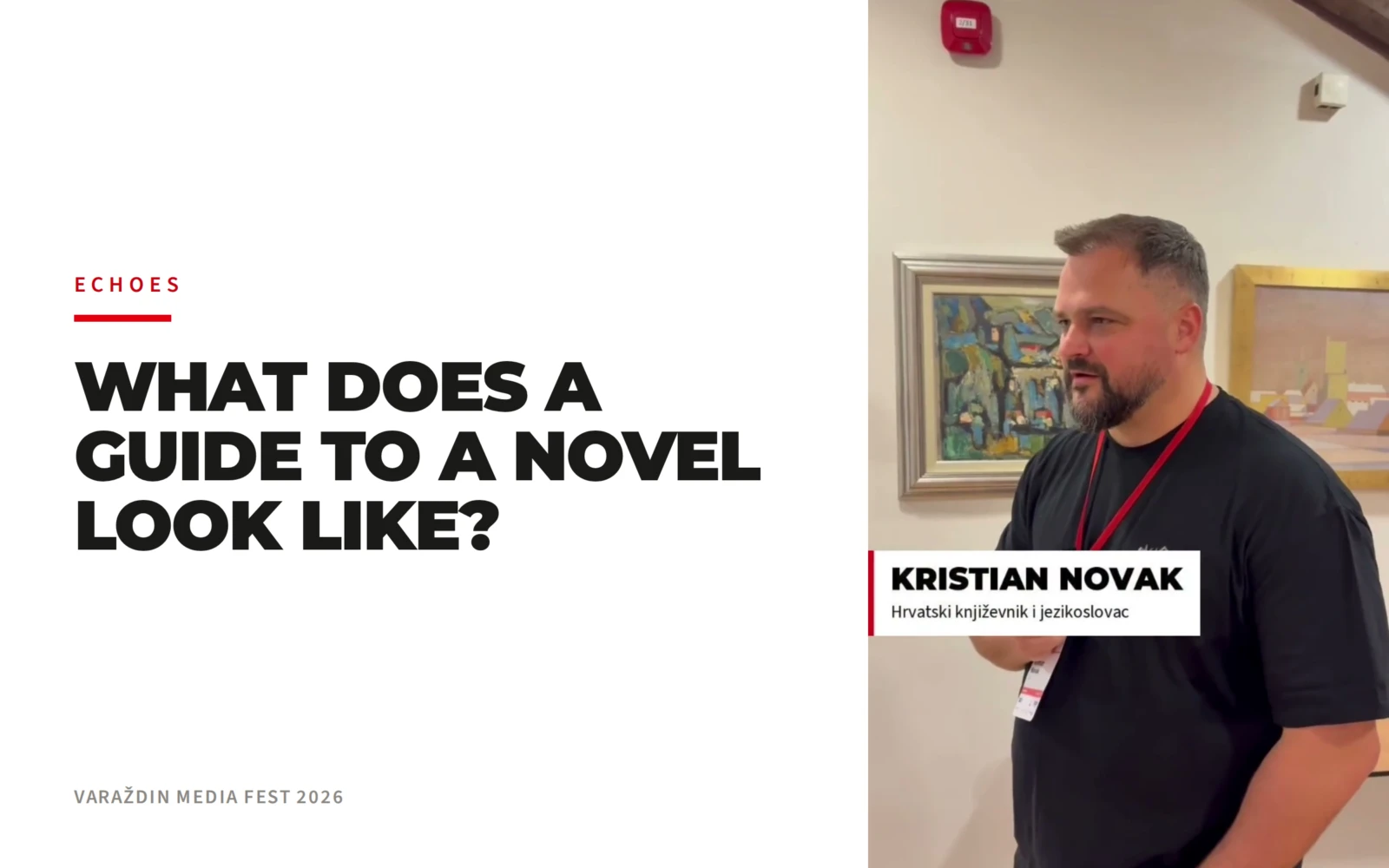
The writer and linguist Kristian Novak speaks about the making of an interactive guide to his novel “Ciganin, ali najljepši”.